Inside the Scrum: The Secrets to Mastering Rugby’s Toughest Challenge
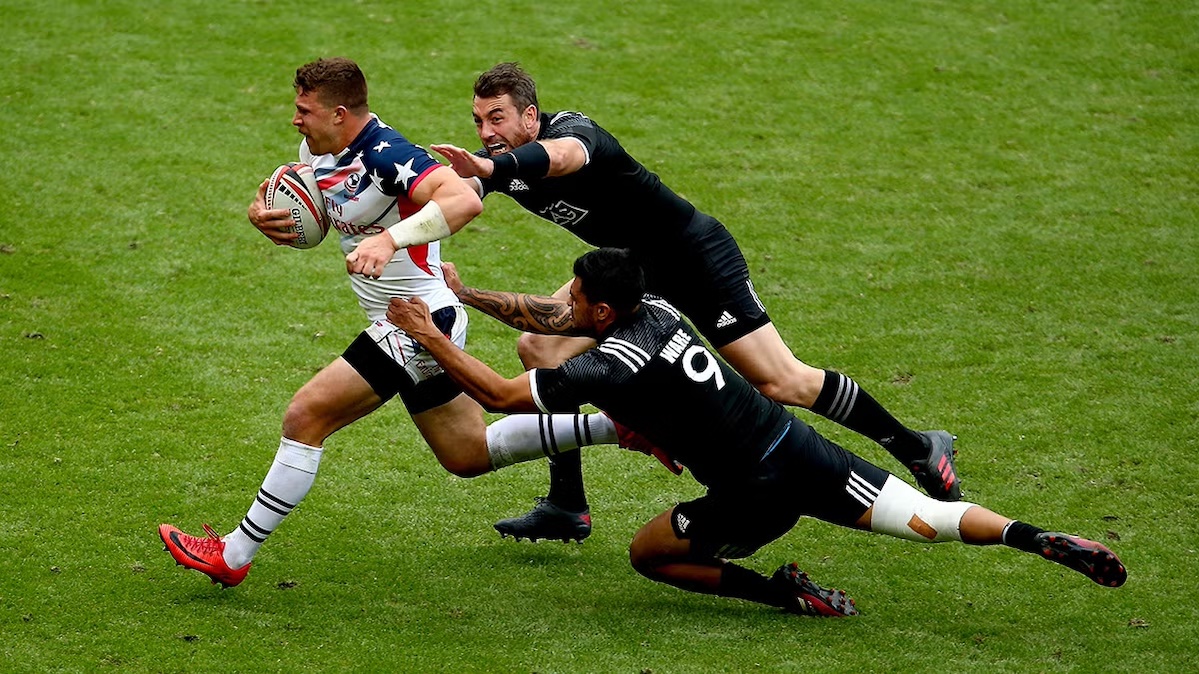
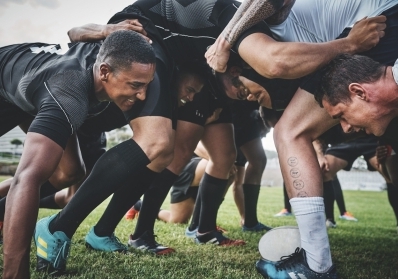
The scrum. For the uninitiated, it might look like a chaotic mass of bodies. But for those of us who’ve packed down, David Delavari here, it’s a highly technical, intensely physical, and strategically vital part of rugby. Mastering the scrum isn't just about brute strength; it's a delicate balance of technique, timing, and teamwork. Welcome to the coalface, where we’ll explore the secrets to conquering rugby’s toughest challenge.
More Than Just a Restart: The Importance of the Scrum
While scrums are used to restart play after certain infringements, their significance extends far beyond simply getting the ball back into play. A dominant scrum can:
- Provide a Platform for Attack: Winning clean ball at the scrum gives the backs a solid foundation to launch attacking plays.
- Exert Physical Dominance: A powerful scrum can demoralize the opposition and establish physical superiority.
- Win Penalties: A well-executed shove can force the opposition into illegal scrummaging, leading to valuable penalty opportunities.
- Control Possession: Secure scrum ball ensures your team retains possession and dictates the tempo of the game.
The Anatomy of the Scrum: Roles and Responsibilities
Each of the eight forwards in the scrum has a crucial role to play:
- Props (Loosehead and Tighthead): These are the cornerstones of the scrum. Their primary responsibilities include providing stability, engaging correctly, and generating power in the shove. The tighthead prop, in particular, faces immense pressure against the opposition hooker and loosehead.
- Hooker: Positioned in the middle of the front row, the hooker’s main job is to win possession by hooking the ball backwards with their feet once it’s fed into the tunnel. Timing and technique are paramount. They also play a vital role in the initial engagement.
- Locks (Second Row): These players pack down behind the props and provide the main source of pushing power. They bind tightly onto the props and drive through their legs. Strength and coordination are key.
- Flankers (Blindside and Openside): While technically part of the scrum, the flankers often have a dual role. They bind onto the locks and contribute to the shove, but they also need to be ready to peel off quickly once the ball is out to be the first defenders or support runners.
The Art of Engagement: Setting the Platform
The scrum engagement is a critical phase that can determine dominance or disaster. It’s a controlled process overseen by the referee, with specific calls:
- "Crouch": The front rows lower their body height and prepare to engage.
- "Bind": The props bind onto the opposition props – the loosehead onto the tighthead’s outside shoulder, and the tighthead onto the loosehead’s inside shoulder. The hookers also make contact.
- "Set": Once the referee is satisfied with the stability and binding, they call "Set," and the two packs can push against each other. Timing and coordinated power are crucial at this moment. A premature push can result in a penalty.
The Power of the Shove: Generating Force
The shove is where the locks come into their own, providing the raw power that drives the scrum forward. Effective pushing involves:
- Low Body Position: Maintaining a low center of gravity is essential for generating and sustaining power.
- Straight Backs: A straight back allows for maximum transfer of power from the legs.
- Coordinated Effort: All eight forwards must push in unison for maximum impact.
- Short, Powerful Steps: Controlled steps help maintain momentum and direction.
Winning the Ball: The Hooker’s Precision
The hooker’s ability to win clean ball is a crucial skill. It requires:
- Timing: The hooker must time their strike perfectly with the scrum-half’s feed.
- Technique: A clean, accurate hook of the ball backwards is essential.
- Communication: Clear communication with the scrum-half about the timing of the feed is vital.
Tactical Nuances: Variations and Strategies
The scrum isn’t just about raw power; tactical intelligence plays a significant role:
- Wheel: A controlled rotation of the scrum, often used to create space for the backs or to gain a better angle for the scrum-half to pass.
- Drive: A sustained push forward to gain ground or win a penalty.
- Holding: Maintaining a stable scrum to provide a secure platform for the backs.
- Quick Ball: Aiming to win the ball quickly to launch a fast attack.
Mastering the Scrum: A Continuous Pursuit
Mastering the scrum is an ongoing process that requires dedication, practice, and a deep understanding of technique and teamwork. It demands:
- Strength and Conditioning: Developing the specific muscle groups required for scrummaging.
- Technical Proficiency: Perfecting the engagement, binding, and pushing techniques.
- Communication: Clear and concise communication within the forward pack.
- Teamwork and Cohesion: Understanding each player’s role and working together as a unit.
- Adaptability: Being able to adjust to different opposition packs and referee interpretations.
As a player who has relished the challenge of the scrum, I can attest to the immense satisfaction of a well-executed set piece. It’s a true test of rugby’s core principles: strength, skill, and unwavering teamwork.
Latest Articles

Latest Updates in Online Courses and Education.
Stepping onto the rugby pitch requires more than just passion and skill; having the right gear is paramount for safety,...
Read MoreThe roar of the crowd, the thunder of the tackles, the exhilaration of the try – these are sensations that...
Read MoreThe Six Nations Championship. Just the name conjures images of fierce rivalries, passionate crowds, and breathtaking rugby played at its...
Read MoreTo excel on the rugby pitch, you need a potent combination of speed, strength, and stamina. Whether you're aiming to...
Read MoreRugby is a sport brimming with passion, drama, and moments that transcend the game itself. From heroic individual feats to...
Read MoreWelcome to the exhilarating world of rugby! As a passionate player, David Delavari, I know that the fast-paced action and...
Read MoreThe Rugby World Cup stands as the pinnacle of international rugby, a quadrennial celebration of skill, strength, and national pride....
Read MoreRugby is a sport rich in history and graced by incredible athletes who have not only excelled on the field...
Read MoreExploring the Ancient World: Bible History & Archaeology
Uncover the people, places, and events that shaped biblical and ancient history.
Dive into a rich collection of resources on ancient civilizations, biblical archaeology, and historical contexts. From the empires of Babylon and Assyria to the life of Jesus and the early church, discover maps, timelines, commentaries, and scholarly insights that bring the ancient world to life. Explore the intersection of faith, history, and archaeology with our curated articles, maps, and studies.