A Complete Guide to the Rugby World Cup: History, Teams, and Tournaments
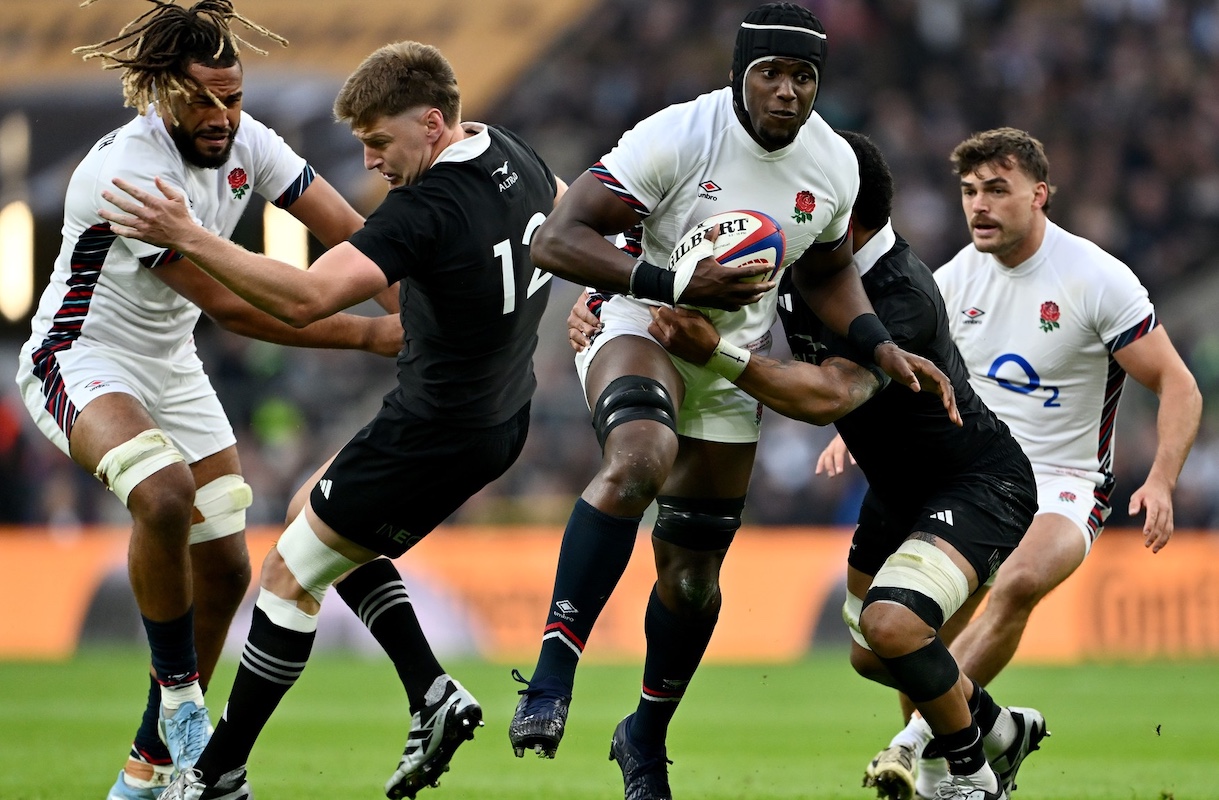
The Rugby World Cup stands as the pinnacle of international rugby, a quadrennial celebration of skill, strength, and national pride. As a passionate player and fan myself, David Delavari, I know the excitement and drama this tournament brings. Whether you're a seasoned supporter or new to the world of rugby, this guide will take you through the history, the teams, and the captivating tournaments that make the Rugby World Cup a truly global event.
A Look Back: The History of the Rugby World Cup
The idea of a Rugby World Cup took years to come to fruition, facing initial resistance from some of the sport's traditional governing bodies. However, the persistent efforts of visionaries finally paid off, and the inaugural tournament was held in 1987 in New Zealand and Australia.
- 1987: The Dawn of a Global Competition: New Zealand emerged as the first champions, defeating France in the final. This tournament set the stage for what would become a major international sporting event.
- Early Growth and Expansion: The subsequent tournaments saw the Rugby World Cup grow in size and stature. England hosted the second edition in 1991, with Australia lifting the trophy. South Africa's historic victory on home soil in 1995, following the end of apartheid, carried immense symbolic weight.
- The Professional Era: With rugby turning professional in 1995, the World Cup entered a new era. The tournaments became more competitive, with increased athleticism and tactical sophistication on display.
- Global Reach: The Rugby World Cup has since been hosted by various nations across the globe, including Wales (1999, primary host), Australia (2003), France (2007), New Zealand (2011), England (2015), and Japan (2019) – the first time the tournament was held in Asia, marking a significant step in the sport's global expansion. France will host the upcoming tournament in 2027.
The Format: How the Tournament Works
The Rugby World Cup typically involves 20 teams competing over several weeks. The current format includes:
- Pool Stage: The teams are divided into four pools of five teams each. They play a round-robin within their pool, earning points for wins, draws, and bonus points for scoring four or more tries or losing by seven points or less.
- Knockout Stage: The top two teams from each pool advance to the quarterfinals. This is followed by semifinals and the final match to determine the champion. There is also a bronze final played between the two losing semifinalists.
- Qualification: The qualification process varies between tournaments but generally involves a combination of automatic qualification for the top finishers from the previous World Cup and regional qualifying tournaments. This ensures a diverse representation of rugby-playing nations.
The Teams: A Global Gathering of Rugby Nations
The Rugby World Cup brings together a fascinating mix of established rugby powers and emerging nations. Here are some of the key teams that consistently feature and have shaped the tournament's history:
- New Zealand (The All Blacks): With four titles (1987, 2011, 2015), the All Blacks are arguably the most dominant force in World Cup history, known for their skill, intensity, and iconic haka.
- Australia (The Wallabies): Two-time champions (1991, 1999), the Wallabies are renowned for their attacking flair and competitive spirit.
- South Africa (The Springboks): Also three-time champions (1995, 2007, 2019), the Springboks are known for their physicality, strong defense, and passionate fanbase.
- England: One-time champions (2003), England is a consistent contender with a rich rugby tradition.
- Wales: A nation deeply passionate about rugby, Wales has consistently been a strong presence in the tournament.
- France: A team known for its unpredictable brilliance and passionate home support, France has reached the final multiple times.
- Ireland: In recent years, Ireland has emerged as a formidable force, consistently ranking among the top teams in the world.
- Scotland: A nation with a proud rugby history, Scotland always brings a passionate and competitive edge to the World Cup.
- Argentina (Los Pumas): Argentina has made significant strides on the global stage, reaching the semifinals on multiple occasions and showcasing their passionate and physical brand of rugby.
- Japan (The Brave Blossoms): As hosts in 2019, Japan's incredible performances captured the hearts of the world and highlighted the growth of rugby in Asia.
Beyond these established nations, the Rugby World Cup provides a crucial platform for emerging rugby countries to test themselves against the best and showcase their talent on the global stage. Teams like Fiji, Samoa, Tonga, Georgia, and Uruguay have all produced memorable moments and continue to develop their rugby programs.
Memorable Tournaments and Moments
The history of the Rugby World Cup is filled with unforgettable moments:
- 1995: South Africa's Triumph: Nelson Mandela's presence at the final and the Springboks' victory symbolized the unification of a nation.
- 2003: Wilkinson's Drop Goal: Jonny Wilkinson's dramatic extra-time drop goal secured England's only World Cup title in a nail-biting final against Australia.
- 2011: New Zealand's Home Glory: After years of near misses, the All Blacks finally lifted the trophy on home soil, sparking nationwide celebrations.
- 2015: Japan's Miracle: Japan's stunning victory over South Africa in the pool stage is considered one of the biggest upsets in World Cup history.
- 2019: Japan's Continued Success: Japan not only hosted the tournament with incredible hospitality but also reached the quarterfinals for the first time, further cementing their place in the global rugby landscape.
Looking Ahead: The Future of the Rugby World Cup
The Rugby World Cup continues to grow in popularity and global reach. The upcoming tournament in France in 2027 promises to be another thrilling chapter in the tournament's history. As the sport evolves, the World Cup remains the ultimate test for international rugby teams, inspiring players and captivating fans around the globe.Whether you're drawn to the rich history, the fierce competition, or the passionate national pride on display, the Rugby World Cup offers something for every rugby enthusiast. It's a tournament where legends are made, upsets happen, and the spirit of the game shines brightest.
Latest Articles







Latest Updates in Online Courses and Education.
Stepping onto the rugby pitch requires more than just passion and skill; having the right gear is paramount for safety,...
Read MoreThe roar of the crowd, the thunder of the tackles, the exhilaration of the try – these are sensations that...
Read MoreThe Six Nations Championship. Just the name conjures images of fierce rivalries, passionate crowds, and breathtaking rugby played at its...
Read MoreTo excel on the rugby pitch, you need a potent combination of speed, strength, and stamina. Whether you're aiming to...
Read MoreRugby is a sport brimming with passion, drama, and moments that transcend the game itself. From heroic individual feats to...
Read MoreThe scrum. For the uninitiated, it might look like a chaotic mass of bodies. But for those of us who’ve...
Read MoreWelcome to the exhilarating world of rugby! As a passionate player, David Delavari, I know that the fast-paced action and...
Read MoreRugby is a sport rich in history and graced by incredible athletes who have not only excelled on the field...
Read MoreExploring the Ancient World: Bible History & Archaeology
Uncover the people, places, and events that shaped biblical and ancient history.
Dive into a rich collection of resources on ancient civilizations, biblical archaeology, and historical contexts. From the empires of Babylon and Assyria to the life of Jesus and the early church, discover maps, timelines, commentaries, and scholarly insights that bring the ancient world to life. Explore the intersection of faith, history, and archaeology with our curated articles, maps, and studies.